
Ahmed Shahame Mwidani (1940–2021)
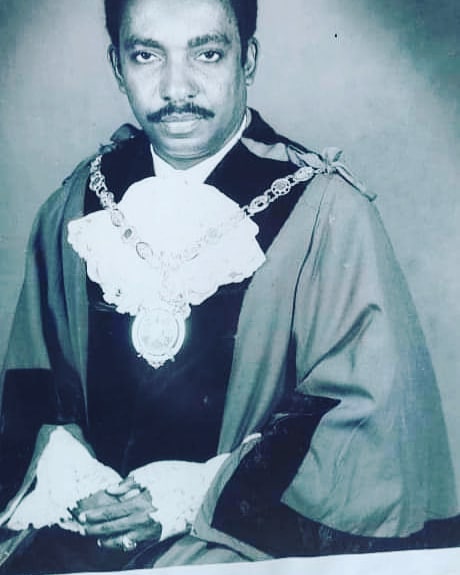
Ahmed Shahame Mwidani was a prominent Kenyan politician and the longest-serving mayor of Mombasa, holding office from 1983 to 1997. Prior to this, he was the councilor of Port Ritz Ward. He left office voluntarily in 1997 and paved way for then nominated councilor Najib Balala who went ahead to serve for only a year, […]
The Church Missionary Society
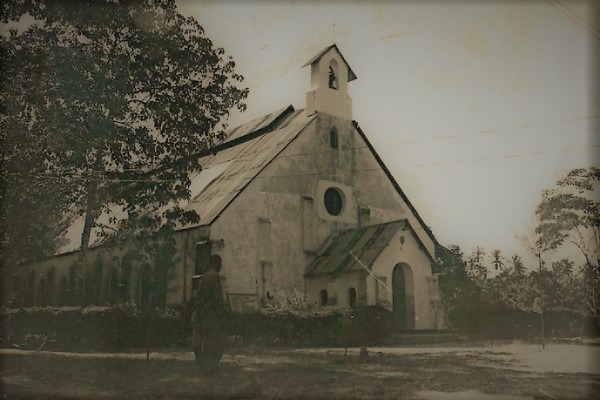
The Church Missionary Society (CMS), a British Anglican mission society founded in 1799, played a crucial role in the introduction of Christian missionary activity in Mombasa and its spread to the broader Kenyan coast. The CMS still have presence in Mombasa located between the road that leads to the Port and the other that leads […]
Dr Johann Ludwig Krapf monument
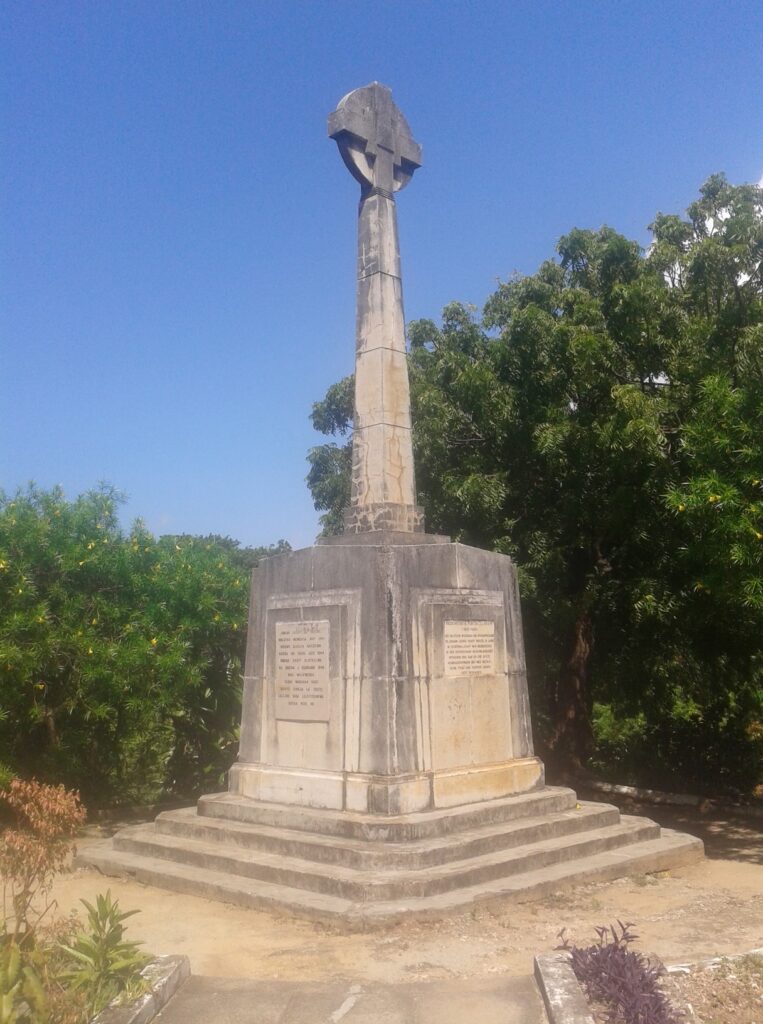
Situated in Mkomani and close to English Point, the monument is named after Johann Ludwig Krapf, a German missionary, explorer, linguist and scholar born in 1810. Dr Krapf died in 1881 in Germany aged 71. He studied at the Eberhard Karls University Tubingen from 1929, graduating in 1934. He went to Basel after this where […]
Mwalimu Masudi Mwahima (1 November 1949 – 25 August 2020)

Mwalimu Masudi Mwahima was a Mombasa-based Kenyan politician. He belonged to the Orange Democratic Movement (ODM) and was elected to represent the Likoni Constituency in the National Assembly of Kenya since the 2007 Kenyan parliamentary election. Mwahima began his political life in 1987 when he was elected as a councilor in Kenya’s port city of […]
Shariff Nassir Bin Taib (1932–2005)
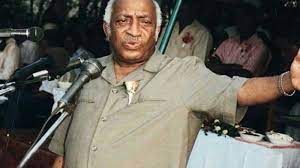
Shariff Nassir was a prominent Kenyan politician from Mombasa who played a significant role in the country’s political landscape during President Daniel arap Moi’s regime. He is the father to the current Governor of Mombasa County, His Excellency Abdulswamad Shariff Nassir (born). Known for his loyalty to the ruling party KANU and his fiery rhetoric, […]
Leonard Mambo Mbotela (29 May 1940 – 7 February 2025)
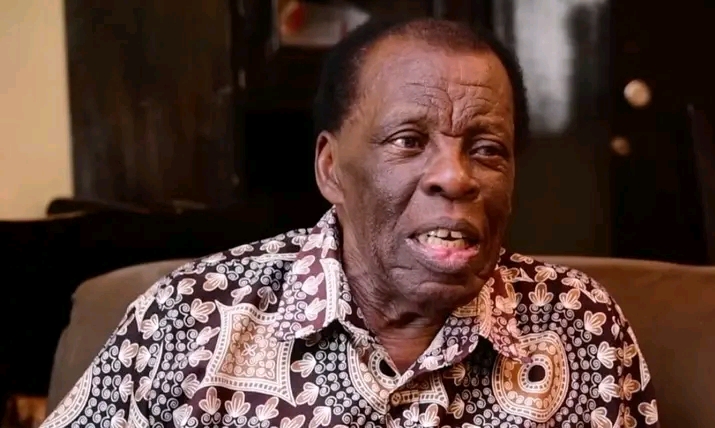
Leonard Mambo Mbotela (29 May 1940 – 7 February 2025) In the 80s and throughout the 90s before television became a common thing in Kenyan households, radio was king, and in such a kingdom, the man with “The Voice” and maybe “The Juice” is king. As a result of his everyday animated “juice” while in […]