
City Experiences: Tuktuk & Walking Tours
Experience Mombasa’s ‘heritage of splendor’ from historical sites, language, diverse cultures, enduring indigenous knowledge structures, iconic places, culinary delights, and Swahili hospitality.
About this activity
Free cancellation
Cancel up to 24 hours in advance for a full refund
Reserve now & pay later
Keep your travel plans flexible — book your spot and pay nothing today.
Duration 2 - 4 hours
Depending on stops and transition between places
Live Tour Guide
English / Swahili
Experiences
To be decided based on convenience
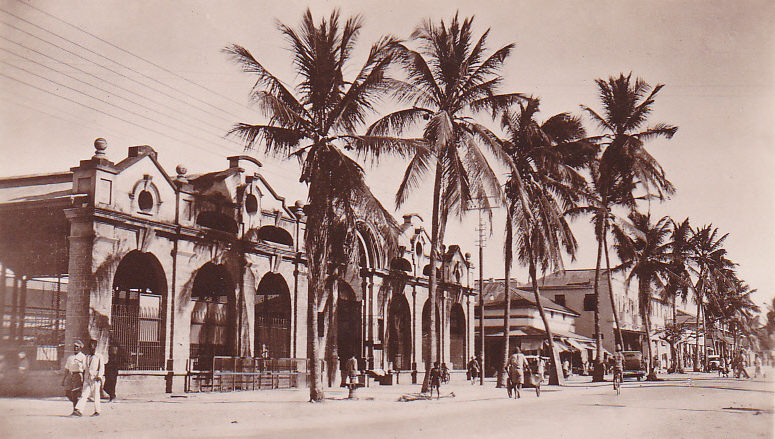
About: Mackinon market sits along Digo Road, Mombasa. Founded in 1914 during the colonial era, the market was named after Sir Henry Mackinnon, the then-colonial governor. Being the first and oldest in the coastal region, Mackinnon market was gazetted as a national monument in 1980, under the Antiques and Monuments Act of Kenya, and then Dr. Kalandar khan, under Mombasa Old Town Conservation Office (MOTCO) and Mombasa County undertook the restoration work in 1992, without interfering with the original architecture.
Things to find/buy: spices [], fresh fruits and vegetables, herbs.
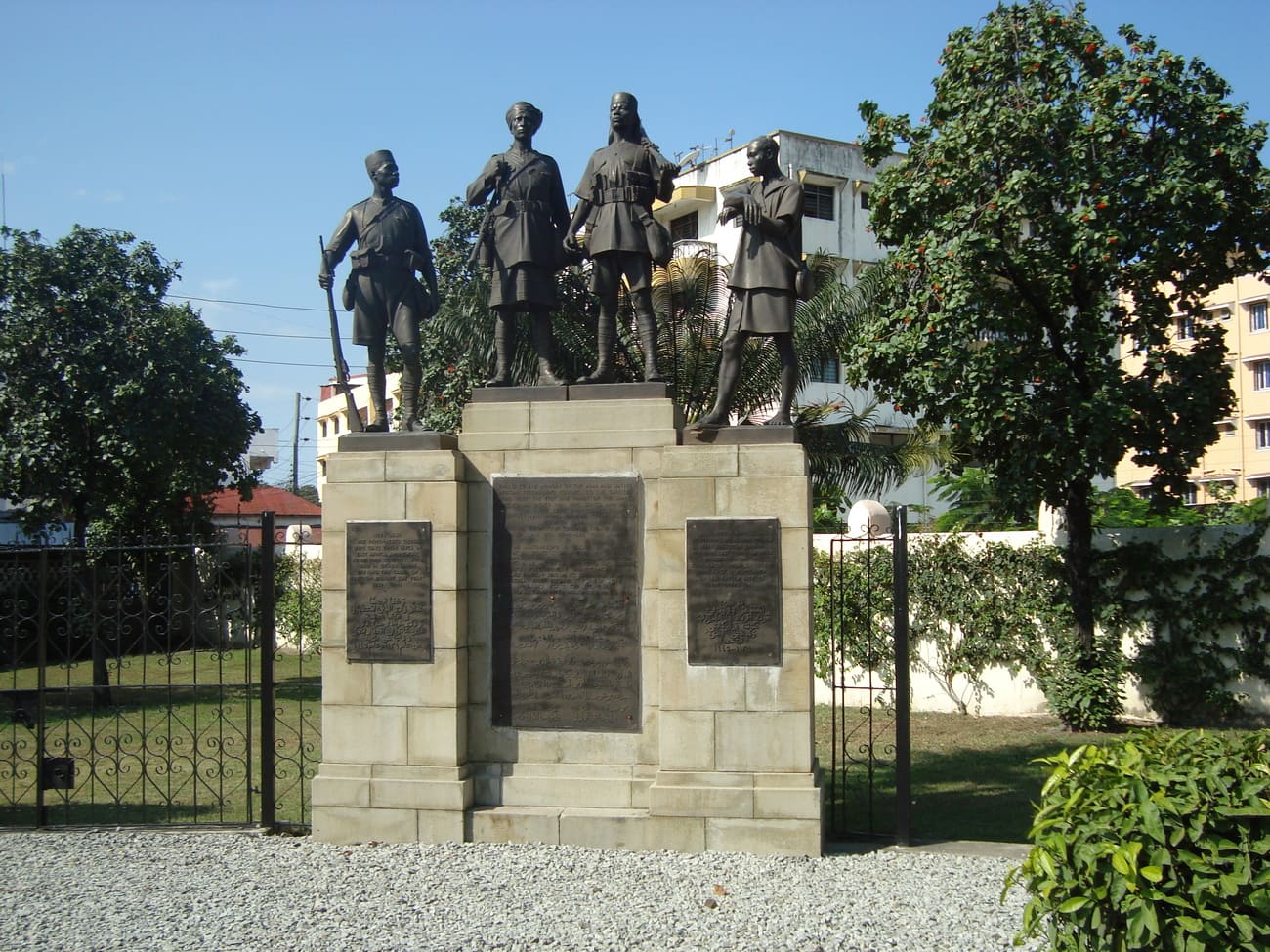
About: The Askari Monument located at Mwembe Tayari, Mombasa, like similar versions in Nairobi and Dar es Salaam, was built in the 1920s to acknowledge the role of African soldiers in the First World War. It depicts figures representing a porter, a fighting man (Askari), and a gun carrier. The term “askari”, just like other words in Swahili language is borrowed from the Indians and was initially used by colonialists as reference for armed escorts comprised of free Africans or freed slaves accompanying travelers.
While the statues were set up to acknowledge the role of African soldiers, there was very little benefit for them after the wars were over. Perhaps the reason they have no names as compared to those of British soldiers commemorated in the same wars (the Wavell Memorial Graden that honors Major Arthur Wavell who died in the Battle of Mkongani in 1916)
The British enlisted 30,000 askaris and 400,000 porters for what they called the East African Campaign. By the end of the campaign, 50,000 Africans had lost their lives through combat, disease, or just disappeared in a cause they hardly understood.
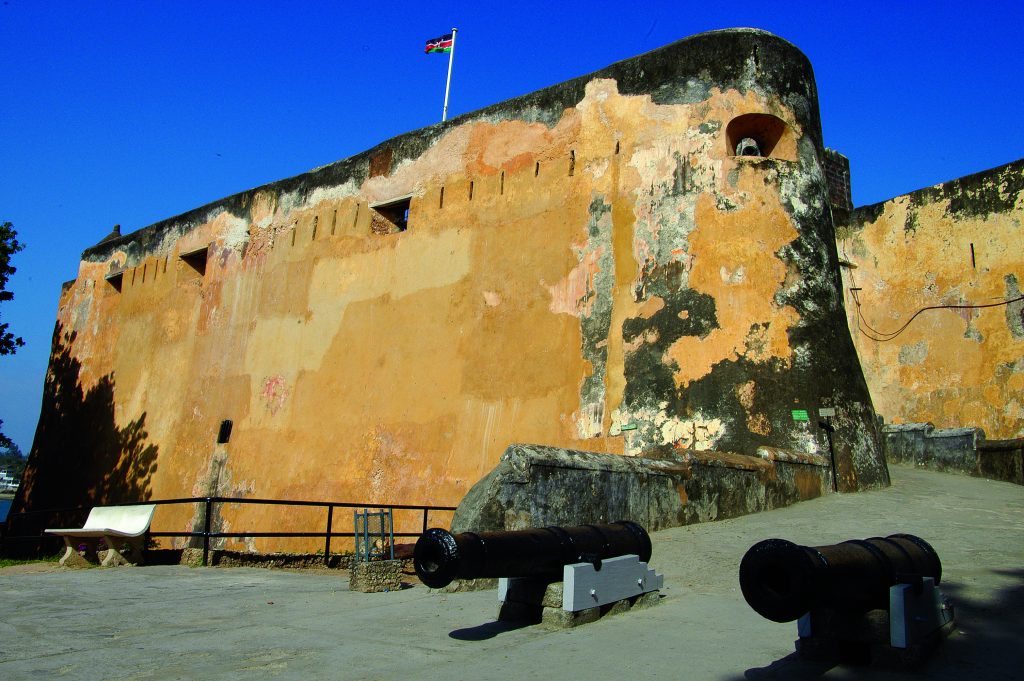
About: Fort Jesus, declared a UNESCO World Heritage Site in 2011, is a 16th-century Portuguese fort and is considered one of the most outstanding and well-preserved examples of 16th-century Portuguese military fortifications in the world. The Fort, designed by the Italian architect Giovanni Battista Cairati, was built between 1593 and 1596 by order of King Felipe II of Spain, who also ruled Portugal at the time. It is shaped like a man lying on his back when viewed from the air, reflecting the Renaissance ideal of perfect proportions and geometric harmony.
The fort changed hands several times over the centuries, being controlled by the Portuguese, Omanis, and British during different time periods. Beyond the exterior influence, the Fort saw the contribution of local expertise in excavation exercises with prominent local people like Omar Bwana, Karisa Ndurya, Jimbi Katana, Prof George Abungu, Mohamed Mchullah…
About: Old Town which was once the main town comprises a group of historical buildings dating from the 18th century which combines, African, Arabic, Indian and European influences. It was a main centre for trade between Africa and the Arab World, with trade routes even going as far as India and China. The shift from being the primary town was gradual and facilitated by several elements including the arrival of the British in the late 19th Century and the need for areas beyond the town to accommodate colonial administration and the expansion of the port.
Old Town has maintained its rustic allure and offers a variety of experiences that include the best homemade delicacies, views, interaction with indigenous knowledge practices. Places to visit are
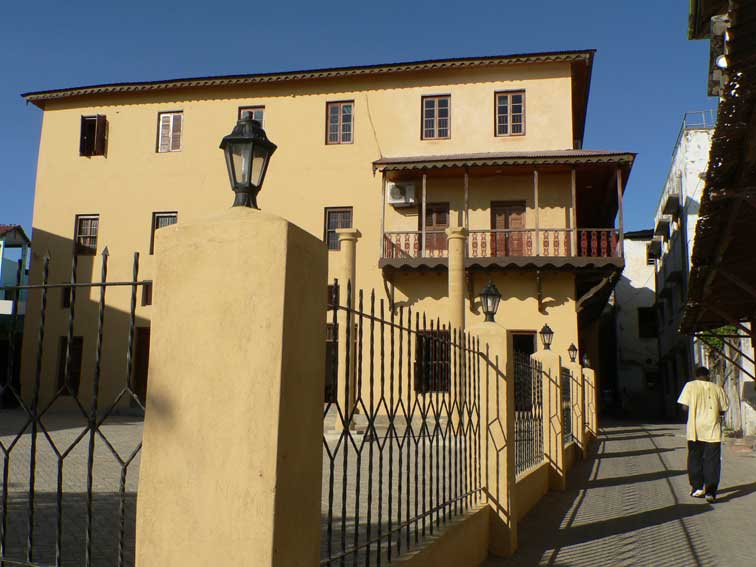
- Leven house: Leven House is named after the British ship, H.M.S. Leven which arrived in Mombasa in 1824 with the intention of abolishing slavery and protecting the Mazrui family, who ruled Mombasa at the time. Some argue that Leven house and the welcoming of the British by the Mazruis ‘mid-wifed’ Christiam Missionary endeavours https://scielo.org.za/scielo.php?script=sci_arttext&pid=S1017-04992020000100015
Leven House was purchased in 1837 by Sayyid Saïd, Sultan of Zanzibar. It was home to several missionaries (Krapf in 1844, Rebman), explorers (Burton, Speke) and administrators (First British Consul in 1884). It then passed into the hands of Mr. G.S. Mackenzie, director of the Imperial British East Africa Company in 1891, before belonging to the colonial administration in 1895. The house also served as the German consulate between 1908 and 1928. Leven House, listed as a national heritage site, was finally purchased in an advanced state of disrepair by the Museums of Kenya in 2000.
Mama Ngina Waterfront is a public park located on the southeastern side of Mombasa Island, overlooking the Kilindini Channel. The park was renovated, renamed from Mama Ngina Drive to and reopened in October 2019, transforming it into Kenya’s first landscaped beachfront park. It serves as a recreational space for both locals and tourists, offering breathtaking views of the Indian Ocean and massive sea vessels heading in and our of the port.
The site was once called “Mzimle” or “Tuaca” and renamed to “Azania” by the British Colonial Government, but when Kenya gained independence, it was renamed to Mama Ngina in honor of the independence First Lady of Kenya. It bears evidence of successive habitation said to belong to the Wa-Kilindini, Wa-Changamwe and Wa-Tangana groups of the Swahili in Mombasa .
- For reference only. Itineraries are subject to change.
Highlights
- Experience the breathtaking views of Mombasa and Kenya's beautiful scenic coast
- Learn about the history of Eleven Steps and much more from your expert guide.
- Head to Government Square and then check out the first British Governor's house
- See one of the oldes Baobab trees and check out Fort Jesus and the Mombasa Club
Description
Mombasa, Kenya’s oldest and second largest city, is best explored on foot. The city’s charm can be felt in its old architecture and within the blurred lines where old meets new as new forms of heritage compliment age-old practices and places. The beauty is in its legendary hospitality and food.
Includes
- Hotel pick up and drop off.
- Mombasa City Guided walking and/or tuktukTour.
- Services of an English speaking guide.
- Entry fees into sites
from
$120 Per Person for all experinces on tuktuk or walking tours, excluding entry fees at Fort Jesus